
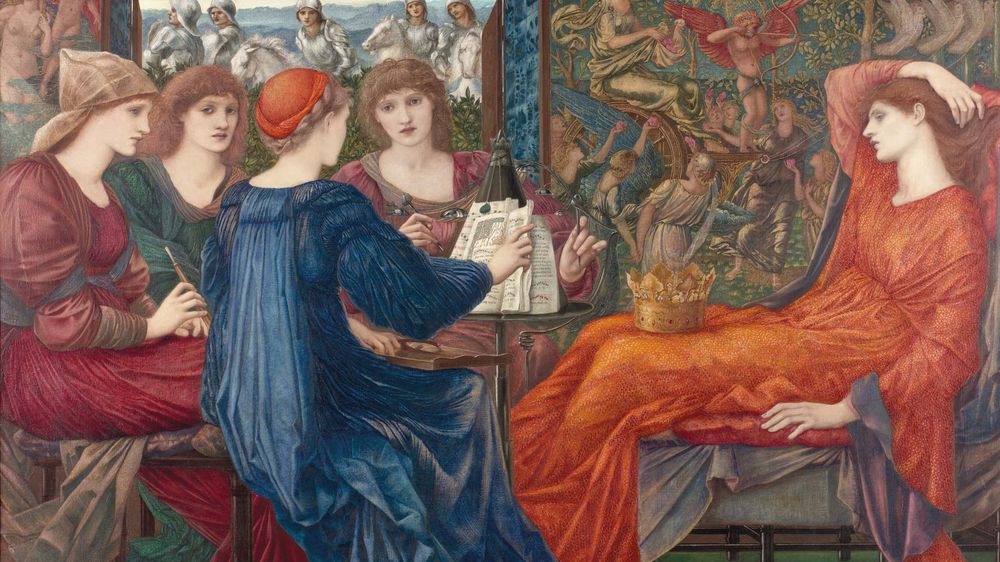
Laus Veneris
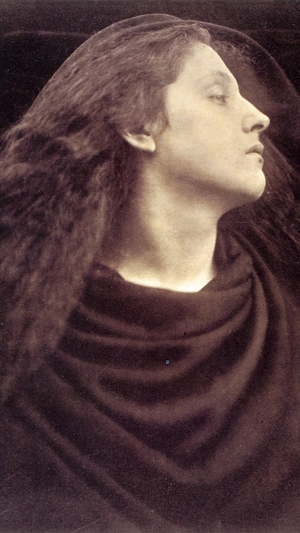
Call, I Follow, I Follow, Let Me Die
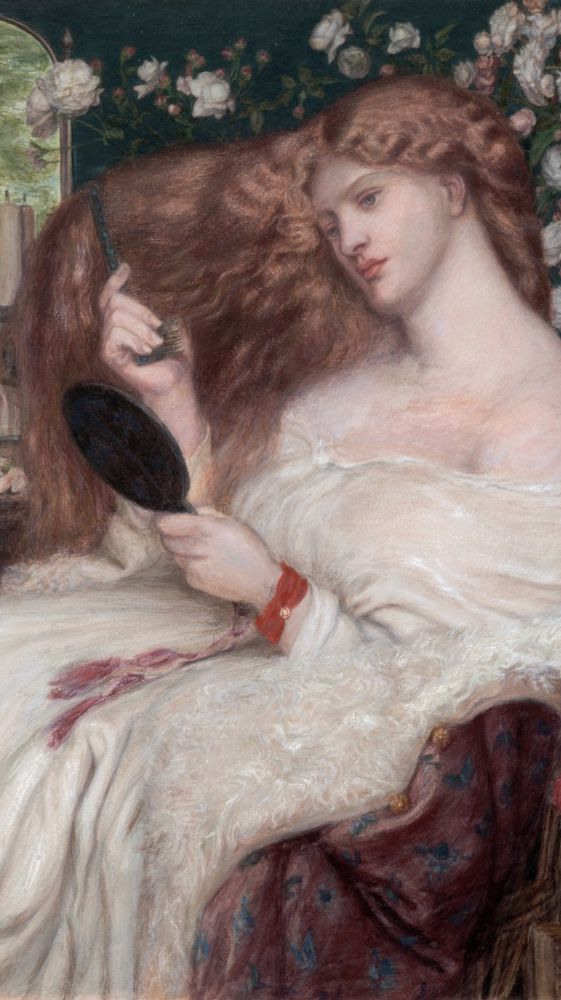
Lady Lilith

The Awakening Conscience

Our English Coasts

Ophelia

The Annunciation
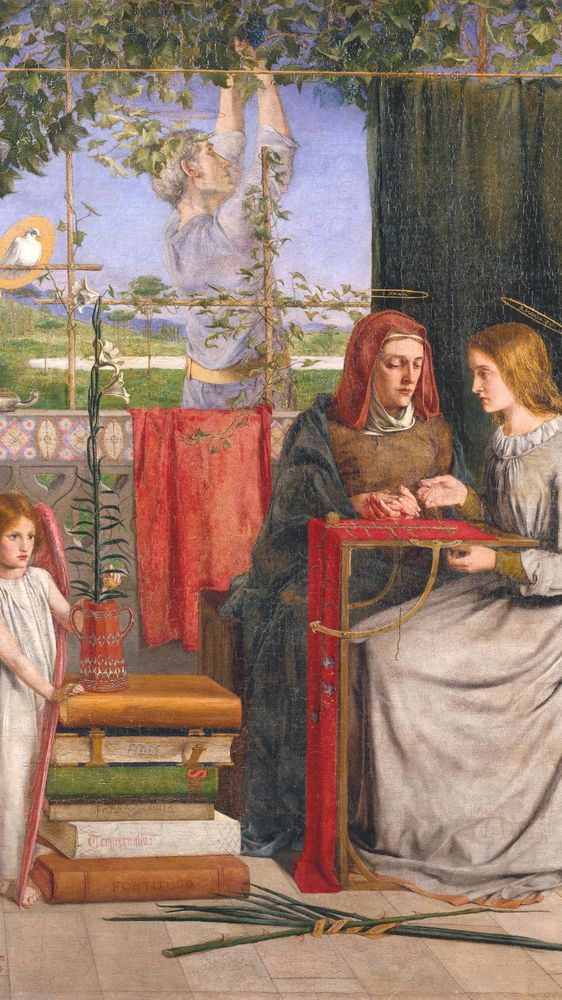
The Girlhood of Mary Virgin
Introducing: The Pre-Raphaelites
In 1848, a group of young English artists founded The Pre-Raphaelite Brotherhood (PRB) in reaction to the stale conventions promoted by the Royal Academy. Holding the High Renaissance artist Raphael responsible for creating this academic tradition, they sought instead to emulate the honesty and simplicity of late-medieval and early Renaissance painting. They were heavily influenced by the work of the early 15th century Flemish artist Jan van Eyck, with its rich colouring, vividly realistic lighting and fastidious detail. Their own work was marked by moral seriousness, a bright palette and a scrupulously unidealized observation of nature that outraged critics decried as ‘ugly’. They were defended by the critic John Ruskin, who particularly admired their pioneering habit of painting direct from nature (‘en plain air’). The first wave of Pre-Raphaelites included William Holman Hunt, John Everett Milliais and Dante Gabriel Rossetti. By 1853, their Brotherhood had already disbanded, but the Pre-Raphaelite style would continue in various guises for several decades, above all through the pseudo-medieval subject matter of Edward Burne-Jones and John William Waterhouse. It would also impact furniture design and the decorative arts via William Morris’s development of the Arts and Crafts Movement.
Related playlists


Introducing: Barbizon School
24 works


Introducing: The Camden Town Group
14 works


Introducing: Luminism
7 works


Introducing: The Hudson River School
20 works
Related playlists
Introducing: Barbizon School
Introducing: The Camden Town Group
Introducing: Luminism
Introducing: The Hudson River School
Works
Laus Veneris
Call, I Follow, I Follow, Let Me Die
Lady Lilith
The Awakening Conscience
Our English Coasts
Ophelia
The Annunciation