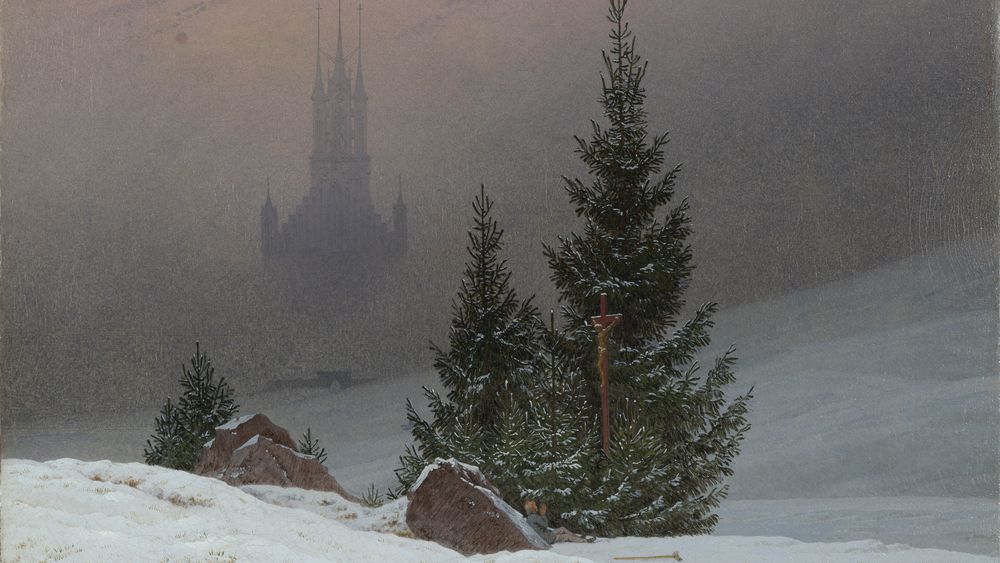
Winter Landscape
Caspar David Friedrich, 1811Caspar David Friedrich created many of the most iconic images of German Romantic painting, revolutionizing the landscape genre in the process. A childhood laced with tragedy left the stamp of melancholy and deep religiosity upon his work. Having initially specialized in sepia wash drawings, he took up oil painting in 1807. His first major picture, The Cross in the Mountains (1808), placed a new emphasis on the landscape itself as a source of spirituality. His depiction of vast endless spaces was an innovation, reflecting a sense of fatalism and powerlessness in the face of Nature. This feeling of awe tied into the wider Romantic Movement and its idea of the ‘Sublime’. Despite being made a professor at the Dresden Academy in 1824, his later years were marked by ever declining success. As the fashion for Realism overtook Romanticism, he was soon forgotten in the decades after his death. However, after being ‘re-discovered’ by the Symbolists, his reputation revived dramatically during the twentieth century.
Related works

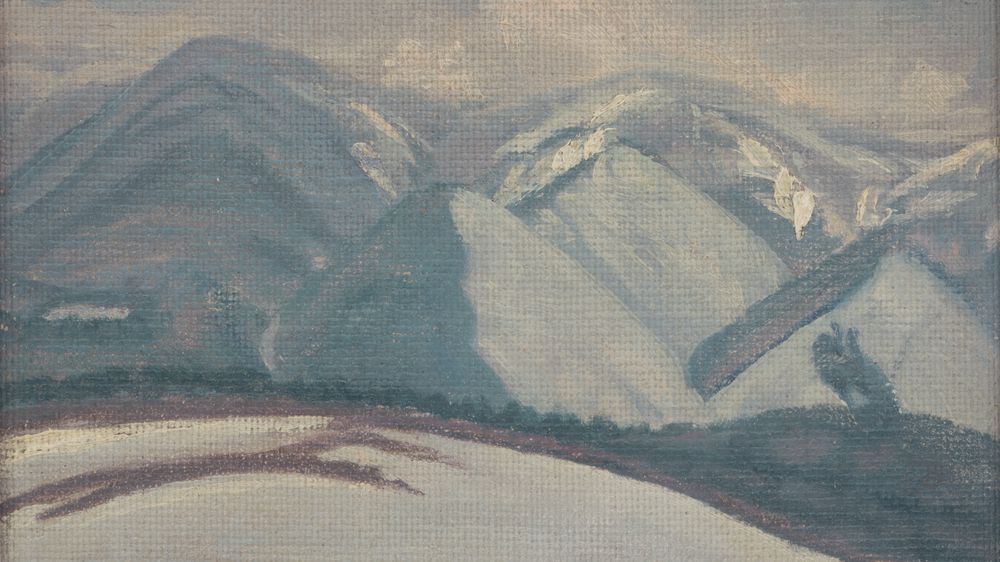
Snowy Mountains

Stack of Wheat (Thaw, Sunset)

Stacks of Wheat (Sunset, Snow Effect)

Stack of Wheat

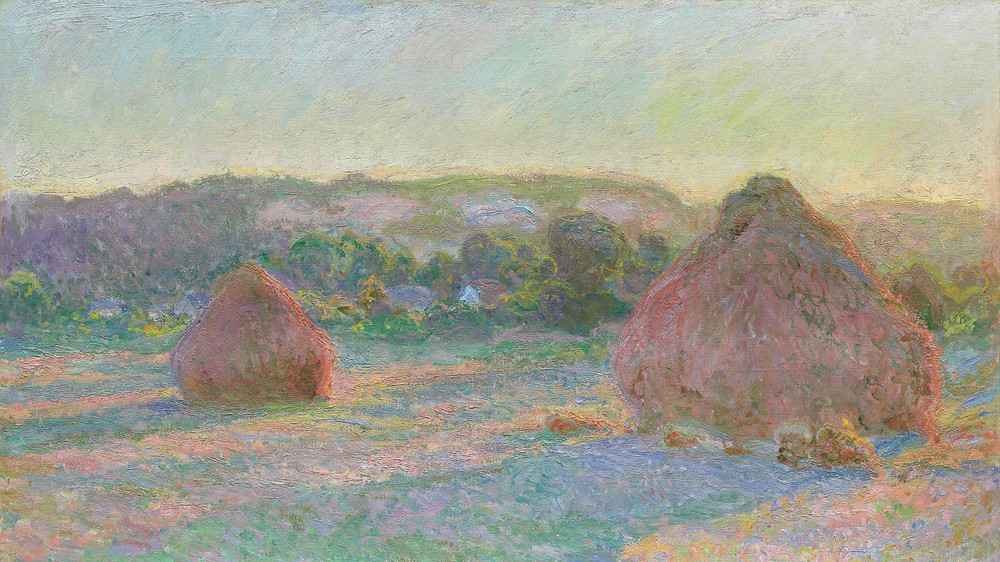
Stacks of Wheat (End of Day, Autumn)

Three Hills

At the Old House
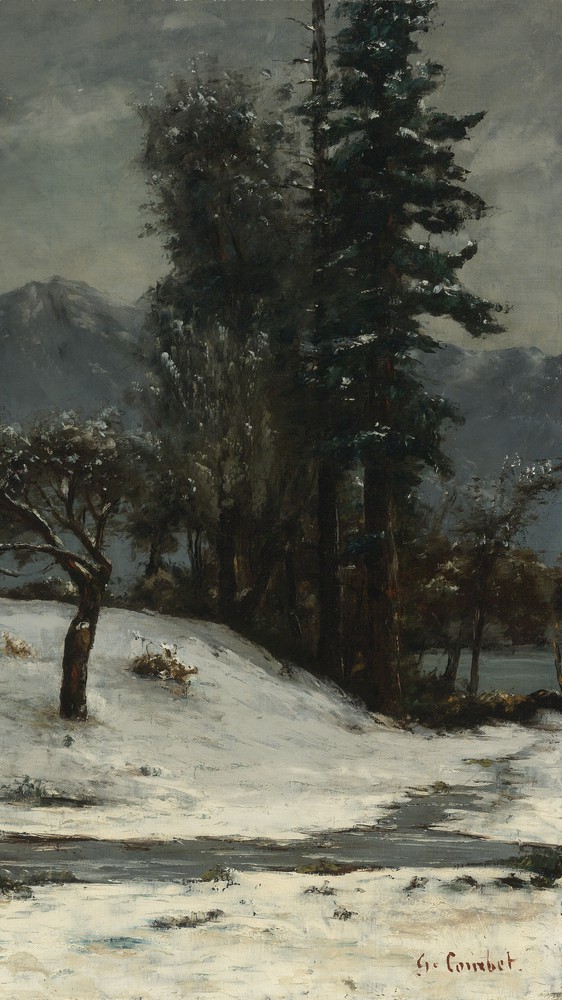
Snow

Stack of Wheat (Snow Effect, Overcast Day)