This Week in Art News
Frida’s Voice, Da Vinci’s Handbags & More
Each week, we scour the internet for the most significant, surprising, and outrageous art news—helping you stay informed (and sound smart). Have a suggestion? Let us know on social media (@meetmeural) with the tag #thisweekinartnews. (See all installments.)
Art stars of today are expected to become public objects. We know everything about them—too much, sometimes. But we’re always still learning about historical artists, even those who were alive just a century ago, such as Frida Kahlo. Recently, she’s enjoyed a wide array of coverage, in the form of press, museum exhibitions, and more. She’s become, as The Guardian puts it “one of the most recognisable and commodified faces in the art world.” And now we (probably) know what she sounded like, thanks to the National Sound Library of Mexico. It has just unearthed an audio recording of Kahlo, reading an essay about her husband, the artist Diego Rivera, called “Portrait of Diego.” If hearing her voice isn’t enough of a shock, the content of the essay is sure to satisfy. One excerpt: “He is a gigantic, immense child, with a friendly face and a sad gaze … His high, dark, extremely intelligent and big eyes rarely hold still. They almost come out of their sockets because of their swollen and protuberant eyelids—like a toad’s.”

What couldn’t the Renaissance man of all Renaissance men do? Always ahead of his time, Da Vinci apparently imagined the handbag long before it came into fashion. As academic Shahidha Bari said, “The bag, in many ways, is similar to a 20th-century handbag. It has brass fastenings at the top, is made of brown calfskin, and it has a top clasp. It’s like a classic handbag that your mum might have.” Don’t expect to see any on 5th Avenue anytime soon, though.
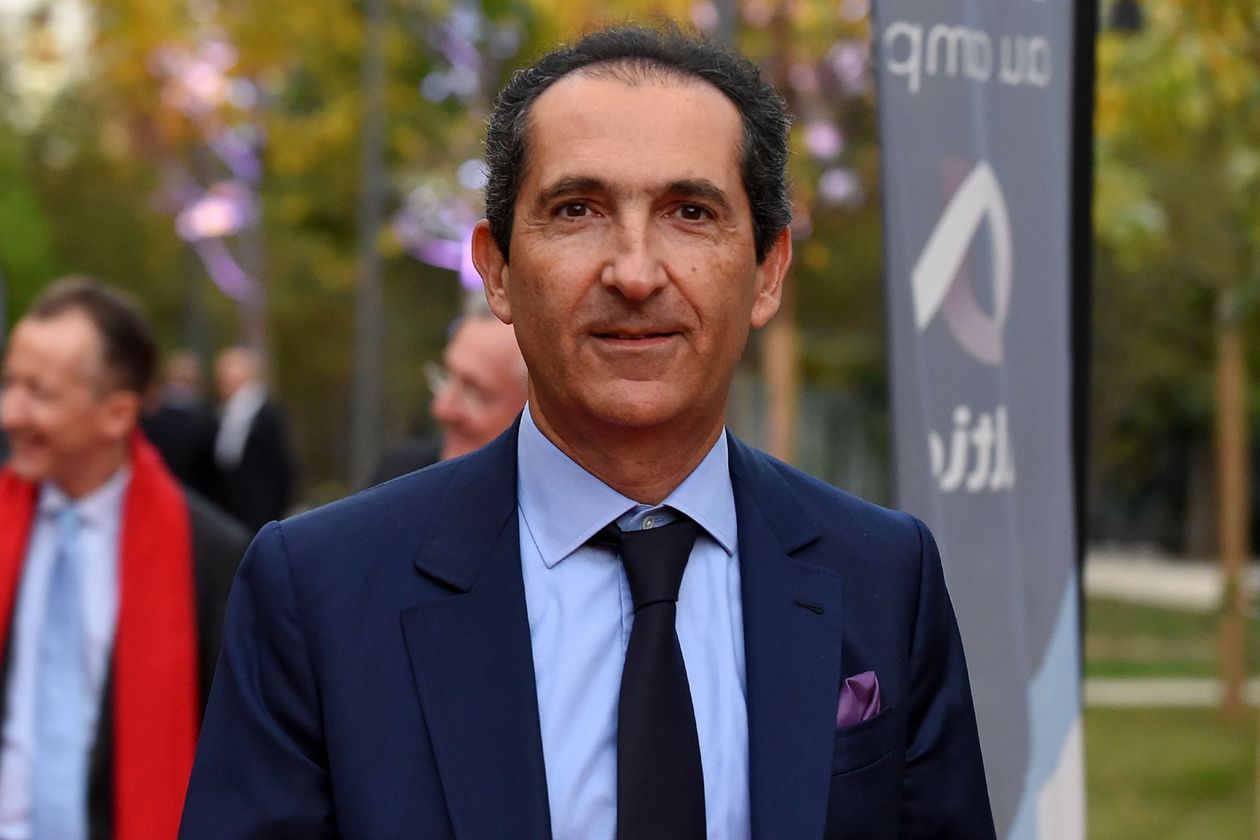
In news that left the art world (and Wall Street) gossiping for days, it was announced on Monday that Sotheby’s is being sold to French billionaire Patrick Drahi for $2.7 billion. The sale will take the public company private while making its stockholders about 60% richer. Drahi will be spending $1.5 billion of his own money, funding the rest of the sale with debt. As the Journal surmises, “The buyout could give a short-term competitive boost to Sotheby’s, which has often trailed behind its larger, privately held rival Christie’s International over the past two decades.” Also, per the article, “The company’s board and management also saw going private as a way to shield Sotheby’s from the cyclical nature of art sales in which collectors tend to make big purchases when the economy is on the upswing and cut back during downturns, a person familiar with the deal said.”
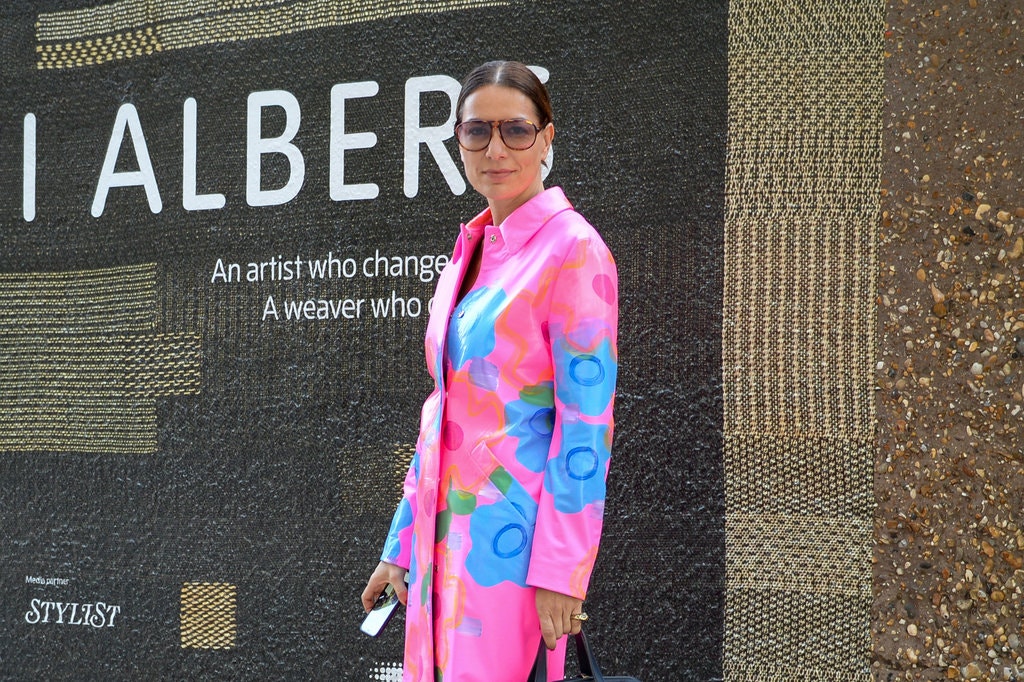
File this one under “possible plots for a novel.” Yana Peel, the chief executive of the Serpentine Galleries (a pair of prestigious art galleries in London), has resigned following reports of her involvement with a cybersecurity firm “whose spyware has been used by governments to track journalists and activists.” This follows years of press that either convolutes the story or makes it painfully apparent: “In an interview with the Times of London in 2017, Ms. Peel said she wanted the Serpentine to be ‘a safe space for unsafe ideas.’ In 2018, she was a judge for the Freedom of Expression awards presented by Index on Censorship, a British nonprofit.” But, of course, the story is more nuanced than that and deserves a full read.


