This Week in Art News
“Camp” at the Met, Berlin’s Art Scene, Gold Toilets & More
Each week, we scour the internet for the most significant, surprising, and outrageous art news—helping you stay informed (and sound smart). Have a suggestion? Let us know on social media (@meetmeural) with the tag #thisweekinartnews. (See all installments.)
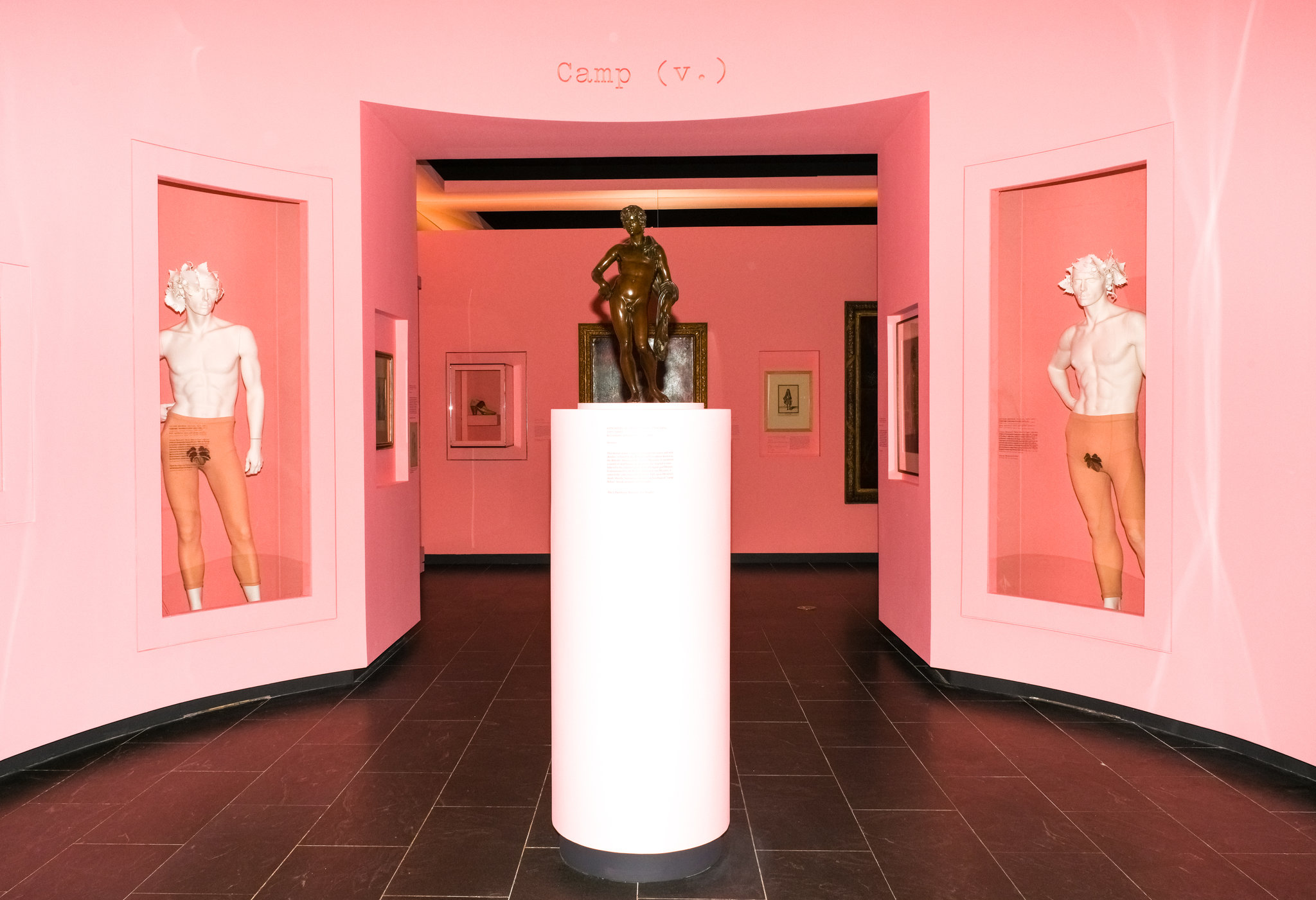
The legacy of the writer Susan Sontag got an unforeseen push this week with the annual Met Gala, a star-studded event held at the Metropolitan Museum of Art. Each year brings a new theme; this year’s was “camp,” defined as “deliberately exaggerated and theatrical in style, typically for humorous effect.” But the term belies such easy interpretation—hence the call for Sontag, who helped popularize the idea and all its nuances in her essay “Notes on ‘Camp,’” first published in 1964 in the Partisan Review. The Times’ piece, as its title suggests, helps wade through all the subtly that comes with the term, along with its deceptively long history. It’s definitely a worthy read for those even mildly interested in style, fashion, literary criticism, or popular culture.
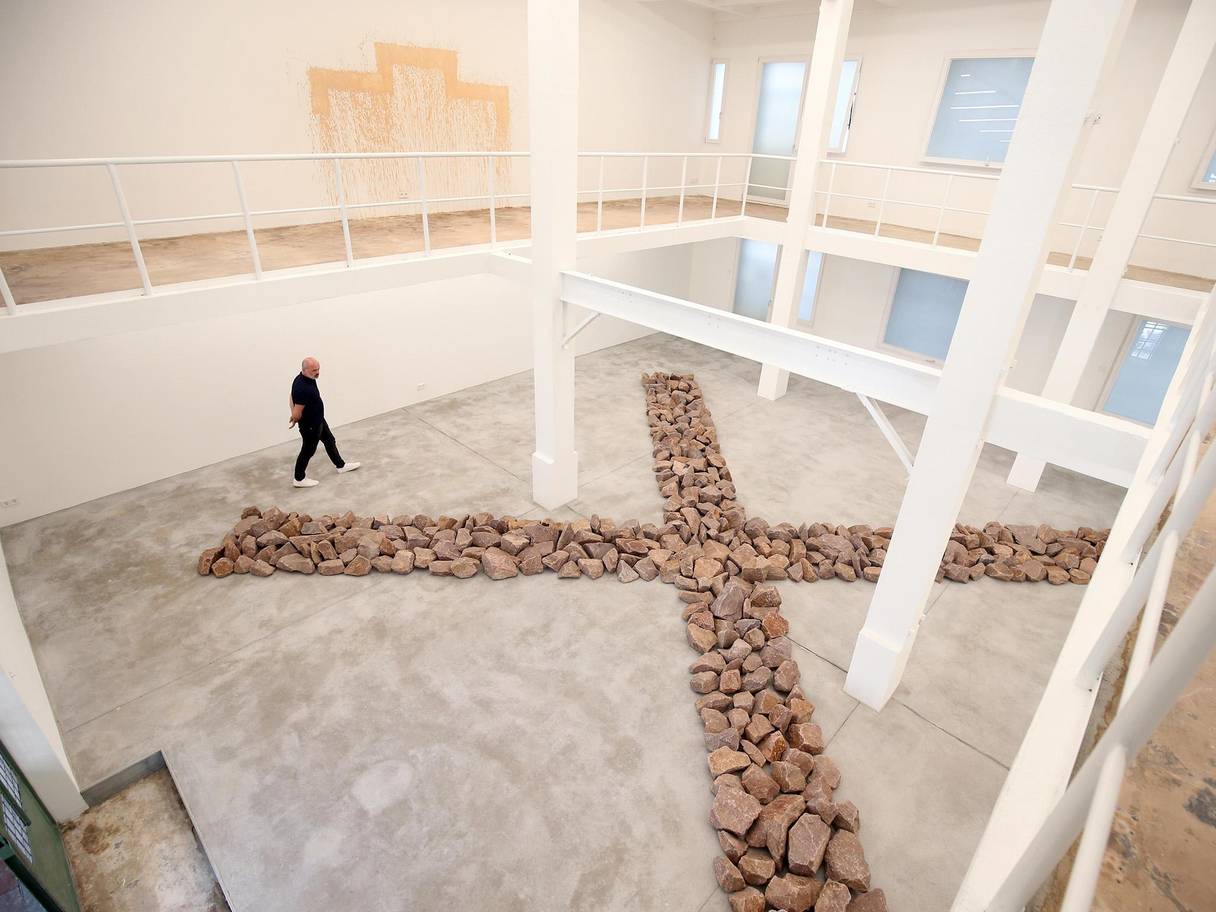
The idea of cities being “in” or not can sometimes feel like art world farce, but such pithy pronouncements hint at underlying truths. In this case, the Independent is asking whether the city, once a siren song for global artists, has lost its edge, grown complacent, and failed to respond to global political issues. Do they come to an answer? Of course not, but the article is chock-full of insight.
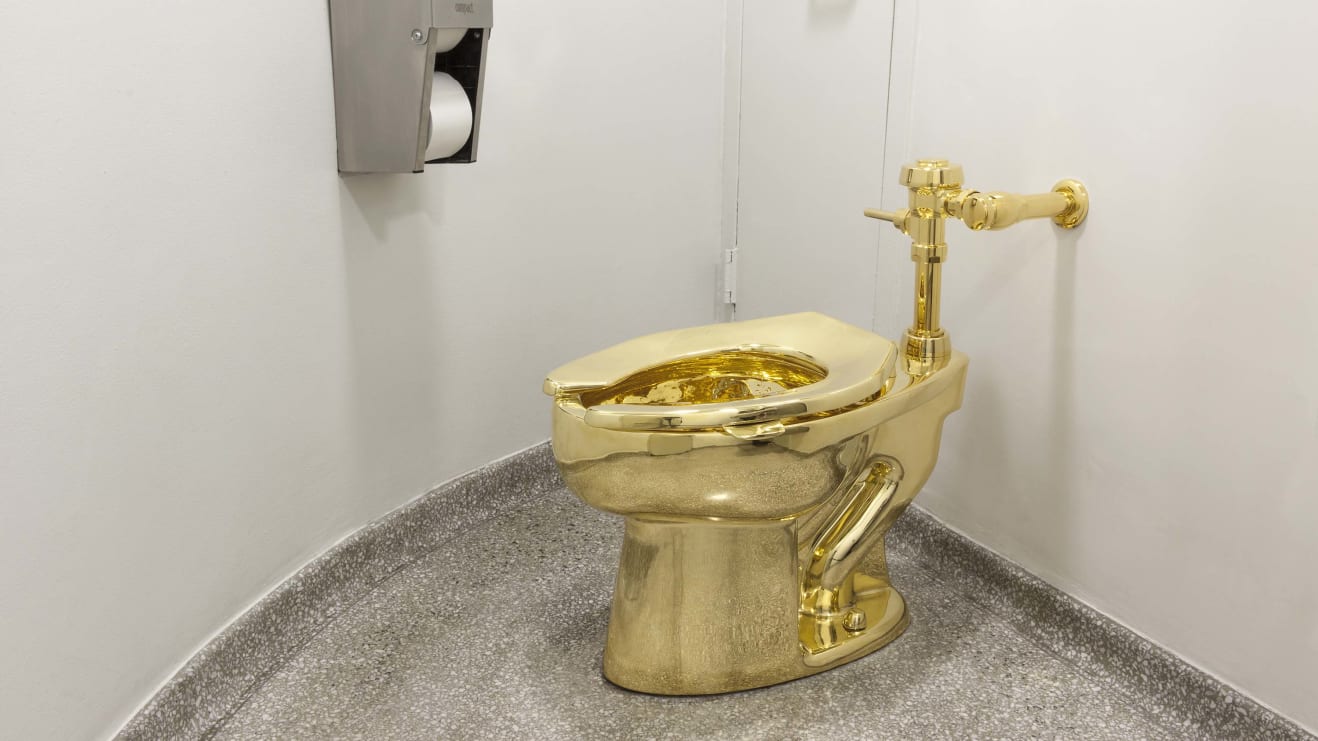
And speaking of farce. If you’ve ever had to go to the bathroom inside the Guggenheim and found yourself in front of what looks like a golden toilet, well, you’re not mistaken. The work has a name, America, and an artist, Maurizio Cattelan, and it’s since been removed from the museum. From September 12 to October 27, the fully functioning toilet will be installed at Blenheim Palace in Oxfordshire, England, for art fans to enjoy—or maybe just those with more urgent needs.
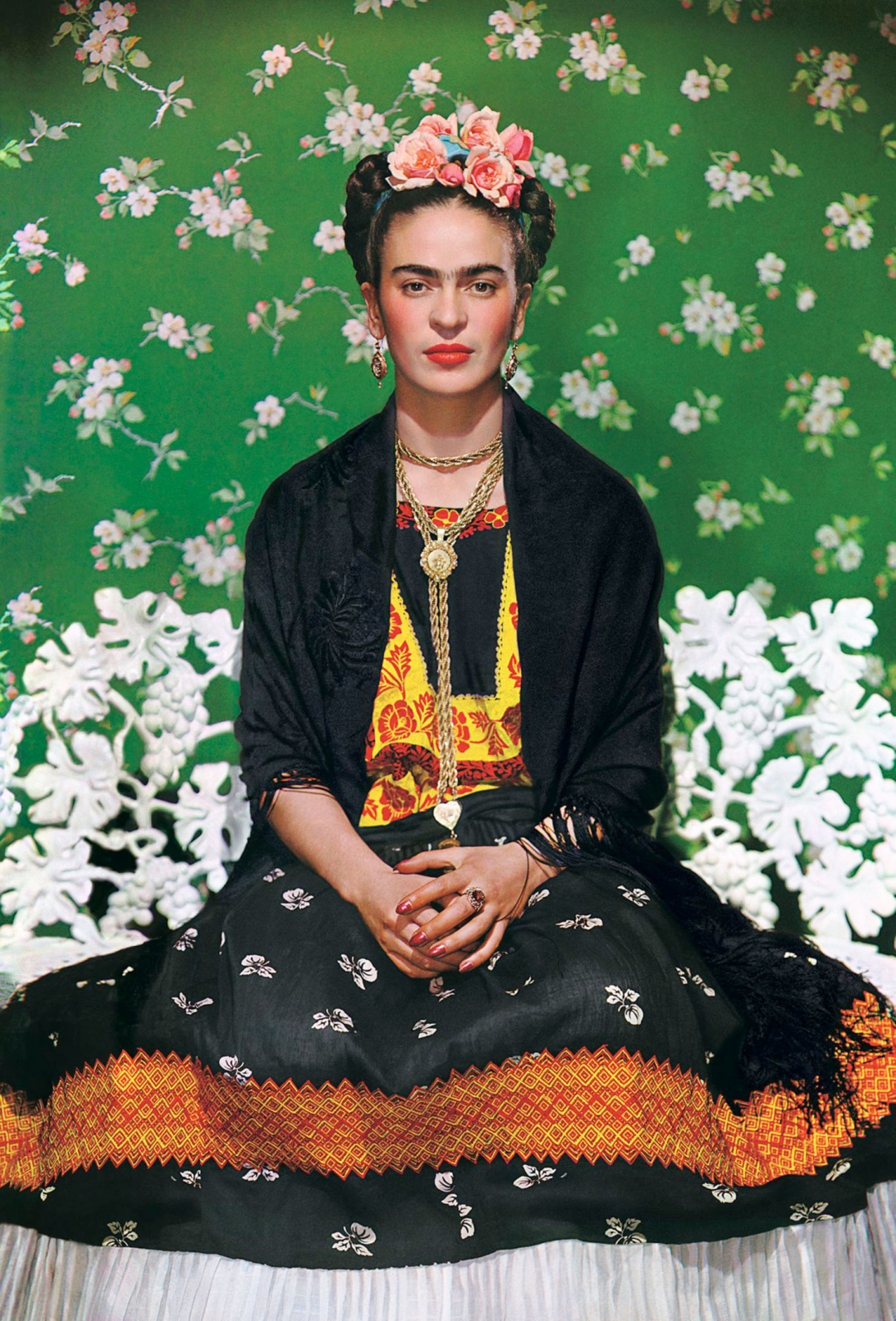
If the header wasn’t biting enough, the subhead takes a deeper dig into the Brooklyn Museum’s recent Frida Kahlo exhibit: “Zeitgeisty is perhaps the best word to describe the Brooklyn Museum’s popular exhibition, which takes for granted the idea that Kahlo’s artwork is merely an extension of her constructed persona.” If Huber takes umbrage with the fact the exhibit’s focus is taken off Kahlo’s work, what really stokes her ire is the corporate backdrop of the show. “Even more problematic are the stealthy branding opportunities facilitated by the artist’s personal effects. Enclosed in a display case in the show’s final room are a handful of makeup products, all of which were once sealed into the time capsule that was Kahlo’s home Casa Àzul for the 50 years that followed her death. Included are a box of emery boards, a tube of bright coral lipstick named ‘everything’s rosy,’ a vibrant fuchsia blush compact, nail polish in colors such as ‘frosted pink lightning,’ and an eyebrow pencil in the shade of ebony, all emblazoned with the Revlon logo, her preferred makeup brand, but more importantly the exhibition’s corporate sponsor. It is be hard to imagine what Kahlo, a self-avowed Communist, would have thought of such conspicuous product placement.”


